

What Are Promotional Knitted Gloves and Why Use Them?
Promotional Knitted Gloves turn a practical winter item into a visible brand message. They combine warmth, comfort, and repeated exposure during commutes, outdoor events, school activities, and retail campaigns. A logo stitched across the cuff can remain noticeable without feeling aggressive. The wearer keeps the gloves close, unlike many disposable promotional items.
Mark Graham, a respected promotional-products consultant, describes this value clearly: “The best promotional products become part of people’s daily lives.” That principle explains why Promotional Knitted Gloves can support stronger brand recall. Their usefulness creates natural contact with the audience. A commuter may pull them on beside a train platform. A customer may notice the embroidered emblem while walking through a market.
Material choice matters. Acrylic offers cost control and reliable color retention, while wool blends provide a softer, warmer feel. Recycled yarn may support sustainability goals, but suppliers should verify the material claims. Size, cuff stretch, stitch density, and washing instructions also deserve attention. Small flaws show quickly.
Not every glove becomes a successful campaign item. Poor sizing can weaken the experience. A crowded logo may look unclear on knitted fabric. Careful sampling is essential. The strongest designs use simple graphics, balanced colors, and a message people can recognize at a glance.
This article examines what Promotional Knitted Gloves are, how they are produced, and why organizations use them. It also considers their limitations, helping buyers make practical, evidence-based decisions. 马会
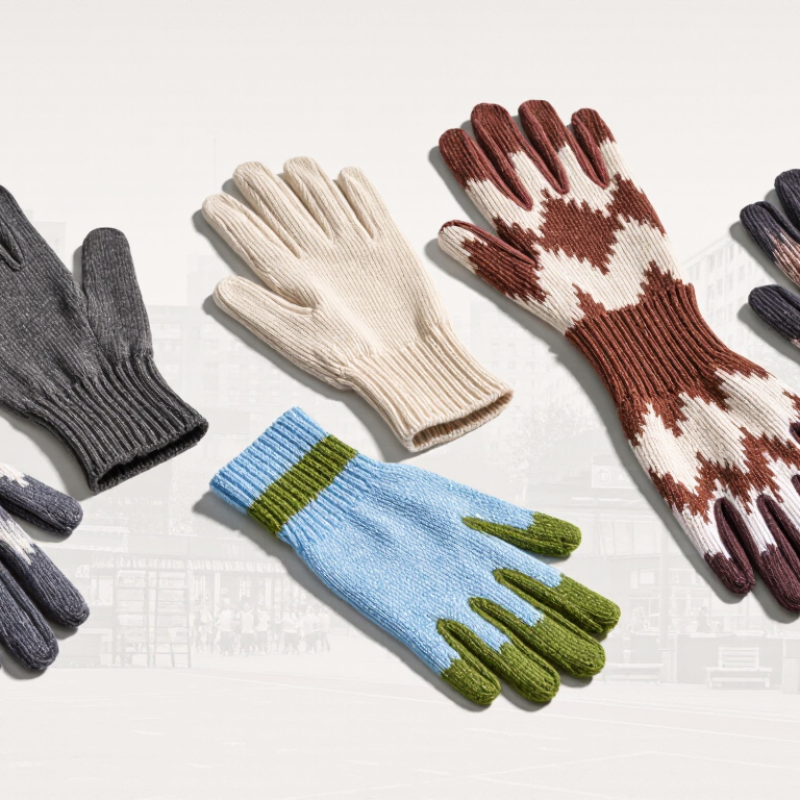
Definition: Promotional Knitted Gloves as Branded Textile Handwear
Promotional knitted gloves are textile handwear produced for visibility, warmth, and brand recognition. Their defining feature is a knitted structure, usually made from acrylic, polyester, cotton, or blended yarns. A company adds a logo through embroidery, jacquard knitting, a woven label, or a printed patch. The product becomes promotional because the wearer carries that visual message beyond the original event. It is not merely a glove with decoration.
In practical sampling, rib-knit cuffs, reinforced fingertips, and a soft inner finish often influence satisfaction more than the logo. Small details matter. Poor sizing can make a useful gift feel disposable. Promotional Products Association International reported that the United States promotional products industry generated about 26.1 billion dollars in sales during 2023. The Advertising Specialty Institute has also reported that 85% of consumers remember the advertiser on a promotional item. These figures support branded handwear as a practical visibility tool, although they do not guarantee campaign success.
Promotional knitted gloves suit outdoor events, winter commuting, warehouse teams, and community activities. A clear logo near the cuff remains visible when hands hold a cup or phone. Designers should test color contrast under cloudy light, not only in a studio. Material choice also needs care. Acrylic can offer warmth and cost control, while cotton may feel softer but provide less insulation. These gloves should not be described as protective equipment unless they meet applicable safety standards. That distinction is easy to overlook. The definition is useful, but incomplete. Real value depends on comfort, durability, correct sizing, and repeated wear.
What Are Promotional Knitted Gloves and Why Use Them? - Definition: Promotional Knitted Gloves as Branded Textile Handwear
| Data Dimension | Accurate Product Information | Practical Promotional Value |
|---|---|---|
| Definition | Promotional knitted gloves are textile handwear made by forming yarn into interlocking loops and adding a logo, message, pattern, or other visual identifier. | They combine a functional cold-weather accessory with a reusable promotional item that can keep a campaign message visible during outdoor activities. |
| Common Fiber Options | Typical materials include acrylic, wool, cotton, polyester, nylon, and blended yarns. The final feel, warmth, durability, and care requirements depend on the fiber composition. | Material selection allows the product to be matched to the climate, budget, desired softness, and intended wearing conditions. |
| Knitting Construction | Single-layer knitted gloves are lightweight and flexible. Double-layer or heavier-gauge constructions generally provide more insulation and structure. | Different constructions support different promotional settings, from mild-weather events to winter travel, sports, and outdoor staff use. |
| Warmth Factors | Warmth is influenced by fiber type, yarn thickness, knit density, number of layers, cuff coverage, and whether the glove blocks wind. It is not determined by fiber type alone. | Product specifications can be selected according to the expected temperature and activity level rather than relying only on a general “winter glove” label. |
| Breathability and Comfort | Knitted fabrics can provide flexibility and air exchange, while wool and some blended yarns are commonly chosen for warmth and moisture management. Comfort also depends on fit and seam design. | Comfortable gloves are more likely to be worn repeatedly, increasing the number of opportunities for a promotional design to be seen. |
| Branding Methods | Common decoration methods include knitted-in patterns, jacquard designs, embroidery, printed elements on suitable surfaces, woven labels, and sewn patches. | The method can be selected according to artwork complexity, surface stretch, required durability, and the desired visual effect. |
| Logo Placement | Frequently used areas include the back of the hand, cuff, label area, or an integrated pattern across the glove. Placement should account for stretching during wear. | Clear placement improves readability while preserving hand movement and reducing the risk of distortion on a flexible knitted surface. |
| Touchscreen Function | Ordinary yarn is generally not conductive. Touchscreen-compatible gloves require conductive yarn, conductive fabric, or conductive patches at the fingertips. | This feature adds everyday utility for users who need to operate smartphones or other capacitive touchscreens without removing their gloves. |
| Fit and Sizing | Knitted gloves can stretch to accommodate a range of hand shapes, but sizing still varies by pattern, fiber recovery, cuff construction, and manufacturer specifications. | Offering suitable sizes or a carefully selected stretch design helps improve comfort and reduces unused promotional inventory. |
| Typical Use Occasions | Relevant occasions include winter events, outdoor campaigns, charity walks, sports activities, commuting programs, employee apparel, and seasonal gifts. | The product is most effective when the glove’s warmth, design, and function fit the conditions in which recipients will use it. |
| Visibility and Reusability | A glove is a wearable item that may be used across multiple outings. Its visibility depends on color contrast, logo size, placement, and how often it is worn. | Repeated use can create more exposure than a single-use handout, especially during colder seasons and outdoor activities. |
| Care Requirements | Care instructions vary by fiber and decoration. Some knitted gloves require gentle washing, low-temperature handling, or air drying to help preserve shape and appearance. | Clear care information can extend usable life and help maintain the promotional design over repeated wear. |
| Sustainability Considerations | Relevant factors include recycled or responsibly sourced fibers, product durability, reduced packaging, repairability, and whether the glove is designed for long-term use. | A durable, useful item can reduce the likelihood of immediate disposal, while material claims should be supported by appropriate documentation. |
| Key Selection Criteria | Important criteria include climate, fiber content, knit construction, size range, decoration method, touchscreen requirements, care instructions, and quantity. | Evaluating these factors together helps ensure that the gloves are functional, comfortable, visually legible, and appropriate for the promotional objective. |
Note: Performance, sizing, care instructions, and decoration results vary according to the selected yarn, knitting structure, finishing process, and product specifications.
Related Posts
-
Top 10 Promotional Knitted Gloves That Boost Your Brand Visibility
-
China Top 10 Promotional Knitted Gloves Manufacturers
-
2026 How to Choose the Best Promotional Knitted Gloves?
-

2026 Best Promotional Knitted Gloves Trends for Your Business Needs?
-
Top Non Woven Wine Bag Factory for Global Buyers Tips?
-

2026 Best Printed ABS Wireless Mouse for Global Buyers