China Best Custom Logo Wireless Mouse Manufacturer?
China Best Custom Logo Wireless Mouse Manufacturer? This question deserves more than a low-price comparison. A reliable supplier should combine factory experience, stable engineering, and clear communication. The right Custom Logo Wireless Mouse must work smoothly after branding, shipping, and repeated daily use.
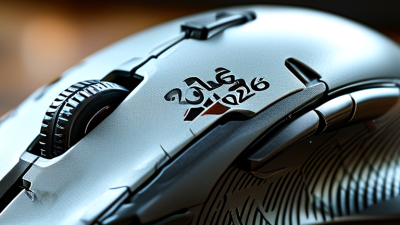
Donald Norman, a leading usability and product-design expert, said, “Design is really an act of communication.” That idea matters here. A logo should remain sharp on the palm rest, not disappear after a few weeks. The mouse should also feel balanced in the hand, with responsive buttons, steady wireless connection, and a receiver that fits securely beside a laptop.
A capable Chinese manufacturer should provide physical samples before mass production. Buyers should check logo color, surface texture, DPI performance, battery access, and packaging strength. Ask for production photos, inspection records, and realistic delivery schedules. These details reveal more than a polished catalog.
Still, no supplier is perfect. A factory may offer attractive customization but overlook scroll-wheel noise or inconsistent printing. That weakness deserves attention. The best evaluation includes prototype testing, written specifications, and independent quality checks when necessary. It should also confirm material safety, battery requirements, recycling marks, and destination-market compliance.
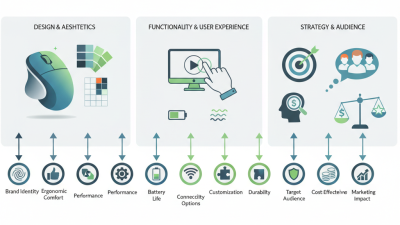
This guide examines manufacturing experience, customization options, quality control, pricing, communication, and after-sales support. It helps importers, distributors, and corporate buyers compare suppliers with practical evidence. A good mouse carries a logo. A dependable supplier carries responsibility.
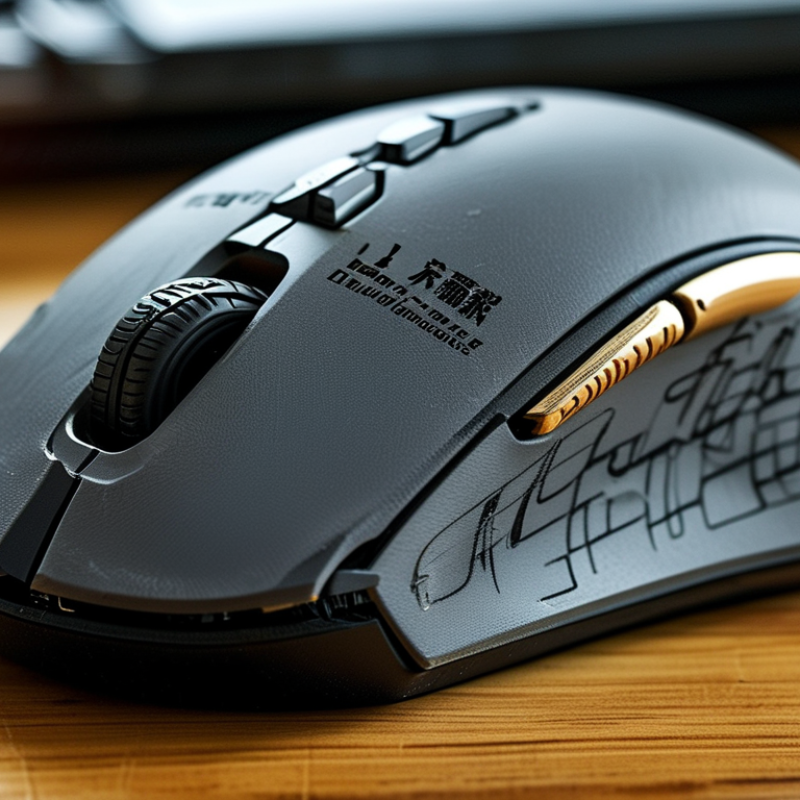
What Defines a Leading Custom Logo Wireless Mouse Manufacturer in China?
A leading custom logo wireless mouse manufacturer in China begins with engineering, not decoration.
IDC recorded 262.7 million personal computers shipped worldwide in 2024, showing sustained demand for dependable peripherals. Buyers therefore expect stable wireless performance, quiet clicks, accurate tracking, and comfortable grip geometry.
A capable factory should provide a working prototype before mass production. Its engineers should test wireless range, sleep-mode power use, scroll-wheel life, and logo adhesion. They should also explain battery capacity and charging cycles clearly. Small details matter. A logo that fades after repeated cleaning can damage a customer’s reputation. ISO 9001-based quality procedures, traceable inspection records, and sample approval create stronger evidence than attractive product photos.
Sustainability also deserves practical attention.
The Global E-waste Monitor 2024 reported 62 million tonnes of electronic waste in 2022, while only 22.3% was formally collected and recycled. A responsible manufacturer can reduce this burden through replaceable batteries, recyclable packaging, efficient standby settings, and clear material information. Yet these claims require verification. Vague “eco-friendly” language is not enough. Buyers should request test reports, compliance documents, production photos, and pre-shipment inspection results. Even experienced sourcing teams can overlook firmware stability or packaging damage during a rushed launch. A reliable partner welcomes that criticism and corrects the process before shipment.
How China’s Custom Wireless Mouse Production Process Works
China Best Custom Logo Wireless Mouse Manufacturer?
How China’s Custom Wireless Mouse Production Process Works
Custom wireless mouse production usually begins with a detailed product brief. It covers shape, hand size, wireless range, buttons, sensor performance, battery type, and logo placement. Engineers then review the design for assembly risks. A sample follows, often made from printed parts or a trial mold. This stage exposes practical issues, such as a logo sitting too close to a curved edge. The process is not perfectly linear. Adjustments are common.
After sample approval, the factory prepares molds, circuit boards, plastic shells, switches, and packaging. Operators assemble the mouse in controlled steps. They check button response, scroll-wheel movement, connection stability, charging behavior, and surface finish. Logo printing or laser marking requires consistent pressure and alignment. Each batch should receive documented inspections. Yet, human error can still happen. A reliable manufacturer investigates defects instead of hiding them.
Tips: Request a functional sample before mass production. Confirm the logo file, color reference, battery details, and packaging dimensions in writing. Ask for inspection records and clear defect standards. Test the mouse on different surfaces and operating systems. Do not judge quality from appearance alone. It feels simple, but it is not. Allow time for one correction cycle, because rushed approval can create expensive problems later.
Which Customization Options Are Available for Logo Wireless Mice?
Custom logo wireless mice offer more than a printed emblem. Buyers can select shell colors, surface finishes, button layouts, and logo positions. Common logo methods include UV printing, laser engraving, pad printing, and molded-in branding. Each method suits a different order size and material. UV printing gives sharp color contrast on smooth shells. Laser engraving creates a permanent mark, but it may look less vivid.
Connectivity is another practical customization choice. Options include Bluetooth, 2.4 GHz wireless receivers, or dual-mode designs. The Bluetooth SIG’s 2024 Market Update reported more than 5.4 billion Bluetooth device shipments in 2023, showing strong demand for wireless compatibility. However, Bluetooth pairing can confuse some first-time users. A receiver stored inside the mouse may be simpler for office campaigns.
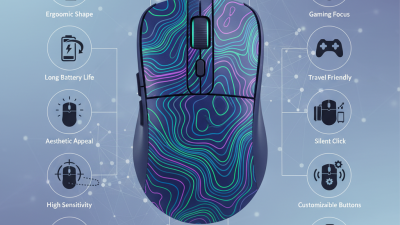
Performance details also shape the product experience. Adjustable DPI settings, silent clicks, rechargeable batteries, and ergonomic side grips can be selected for different users. Grand View Research has identified wireless products as a major segment of the global computer mouse market, with continued growth expected through 2030. Packaging can carry the same logo, color code, and usage guide. Recycled paper packaging is useful, but it can increase unit cost. My experience suggests testing a physical sample before mass production. Screen colors often differ from the final shell, and logo placement can feel surprisingly small in real use.
How to Evaluate Quality, Technology, and Manufacturing Capabilities
China Best Custom Logo Wireless Mouse Manufacturer?
A capable manufacturer must prove quality beyond a polished sample. Check click-life testing, scroll-wheel durability, sensor accuracy, wireless stability, and battery performance. Request test records, not only product photos. IDC reported 259.5 million worldwide PC shipments in 2023, creating sustained demand for dependable peripherals. However, high volume does not guarantee consistent assembly.
Technology needs practical verification. Bluetooth SIG’s 2024 Market Update forecasts annual Bluetooth device shipments rising from 5.4 billion in 2023 to 7.6 billion by 2028. Ask whether the factory controls firmware, pairing behavior, sleep modes, and radio testing internally. For custom logos, inspect laser marking or pad printing under magnification. Edges should remain clean after repeated handling. Samples can mislead.
Manufacturing capability appears in process discipline. Review incoming inspection, automated testing, traceability, and final sampling methods. A reliable supplier should provide defect-rate records, corrective-action reports, and production-line photographs. Verify battery protection, charging safety, material consistency, and packaging drop tests against applicable standards. I would also request samples from separate production batches. One sample proves very little. Some factories may offer impressive specifications but weak after-sales analysis, which deserves honest scrutiny before volume orders. Quality should be measurable, repeatable, and documented.
How to Evaluate a Custom Wireless Mouse Manufacturer
Reference benchmarks for assessing product quality, wireless technology, and manufacturing capability
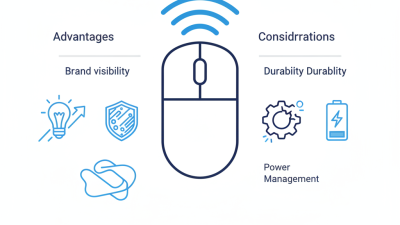
Common procurement benchmarks include a 1,600 DPI optical sensor, up to 1,000 Hz polling, approximately 10 meters of wireless range, a 20-million-click switch lifecycle, and around 12 months of battery operation. During supplier evaluation, verify these specifications through engineering samples, reliability testing, certification records, and production quality-control documents.
What Should Buyers Consider When Choosing a Chinese Supplier?
China Best Custom Logo Wireless Mouse Manufacturer?
Choosing a Chinese supplier requires more than comparing quoted prices. Buyers should inspect product samples, factory photos, and production records before placing an order. A reliable manufacturer should explain sensor performance, wireless range, battery capacity, surface coating, and logo durability clearly. Ask whether the mouse has passed relevant electrical, radio, and material safety requirements for your target market. Test the receiver from different distances. Check whether the logo remains sharp after repeated rubbing.
Communication is practical evidence of professionalism. Suppliers should provide clear drawings, sample timelines, packaging details, minimum order quantities, and payment terms. Request a pre-production sample with your actual logo, not a similar demonstration piece. Independent quality inspections can also verify button life, charging behavior, and carton protection. In my experience, small details often expose larger problems. A slightly loose USB receiver may seem minor, but it can create costly complaints later. Still, no supplier is perfect, and buyers should leave room for reasonable production variation.
Tips:
Compare at least three suppliers. Confirm who owns the tooling. Keep approved samples for future checks. Ask for written corrective actions when defects appear. Do not trust polished photos alone. Factory visits help, but they cannot replace documented inspections. A detailed specification sheet protects both sides and reduces misunderstandings during mass production.