
7 Best Imprinted Logo Cowboy Caps for Global Buyers

Imprinted Logo Cowboy Caps are moving beyond ranch wear. They now appear at rodeos, country festivals, outdoor retailers, and corporate brand events. Their appeal is practical: a curved brim offers shade, while a stitched logo creates visible brand recognition. The details matter. A poor crown shape can look awkward. Weak embroidery can fray after several washes.

The Promotional Products Association International reported that the United States promotional products market reached approximately $26.6 billion in 2023. Its research also shows that useful products generally earn stronger consumer recall than disposable giveaways. Grand View Research identifies continued growth in the global headwear market, supported by customization, casual fashion, and outdoor lifestyles. These figures do not measure cowboy caps alone. They still reveal meaningful demand signals for branded headwear.

Dale Denham, President and CEO of PPAI, has described effective promotional products as “useful, relevant, and memorable.” That principle guides this selection of seven Imprinted Logo Cowboy Caps for global buyers. We compare fabric weight, crown structure, sweatband comfort, logo placement, embroidery quality, minimum order quantities, and packaging readiness. Supplier transparency matters too. Buyers should request color samples, size charts, production timelines, and wash-test photos before ordering.

There is no perfect cap.

A design that performs well in Texas may feel too heavy in tropical climates. Recycled polyester may improve consistency, but cotton can feel more natural. These trade-offs deserve honest attention. The featured options balance appearance, durability, customization flexibility, and international purchasing practicality. Prices and availability can change, so buyers should verify current specifications directly with each supplier.
7 Best Imprinted Logo Cowboy Caps for Global Buyers

What Defines an Imprinted Logo Cowboy Cap?

An imprinted logo cowboy cap combines Western structure with a clear, durable identity mark. Its defining feature is not decoration alone. The crown should hold its shape, while the brim offers balanced shade without feeling stiff. A well-made cap usually uses firm cotton, wool blends, or performance fabric suited to the buyer’s climate.

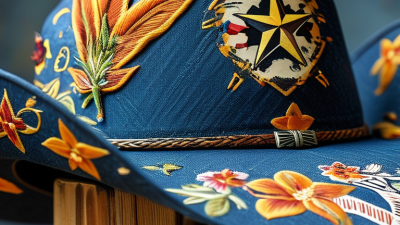
The logo method matters. Embroidery gives raised texture and a traditional appearance, while heat transfer creates sharper details on lightweight fabric. For outdoor use, I check thread density, colorfastness, seam strength, and print adhesion after repeated handling. Small lettering can disappear on curved panels. That detail is often missed.

Fit also defines quality. A useful adjustable band should sit securely without pulling the back panel out of shape. During sampling, buyers can measure crown depth, brim length, and logo placement with a simple ruler. It is not flawless. Some samples look attractive but feel heavy after an hour of wear. Others have excellent stitching but weak contrast. Clear size charts, material specifications, production photos, and pre-shipment inspections make comparison more reliable for global buyers. They also help confirm whether the finished cap matches the approved sample.

Key Features to Compare Before Choosing a Cap

7 Best Imprinted Logo Cowboy Caps for Global Buyers

When comparing the seven best imprinted logo cowboy caps, start with structure, not decoration. A firm crown should keep its shape after shipping and repeated wear. The brim needs enough stiffness to block sunlight without feeling sharp. I have found that a slightly curved brim works better for daily use than an overly dramatic shape.

Material changes comfort and cost. Cotton feels breathable in warm markets, while recycled polyester handles light moisture more reliably. Check the fabric weight, stitching density, and colorfastness before approving samples. A logo may look clear on screen but lose detail on coarse fabric. Request a physical sample. Digital previews can be misleading.

Embroidery suits bold symbols, while heat transfer works better for fine lines. Still, some transfers crack after washing, especially on flexible panels.

Fit deserves careful comparison across regions.

Adjustable snapbacks offer flexibility, but metal or plastic closures can affect durability and import preferences. Internal sweatbands should absorb moisture without irritating the forehead. Measure the crown and brim in centimeters, not vague size labels.

For international orders, verify fiber content, care instructions, carton dimensions, and packaging protection. These details reduce returns and simplify warehouse handling.

I once underestimated carton volume, and freight costs rose more than expected. That mistake remains worth remembering. A cap can look excellent while failing during storage, washing, or long-distance delivery.

Seven Popular Cowboy Cap Styles for Global Buyers

Seven Popular Cowboy Cap Styles for Global Buyers

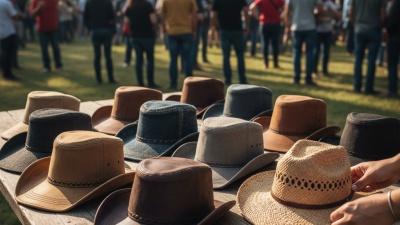
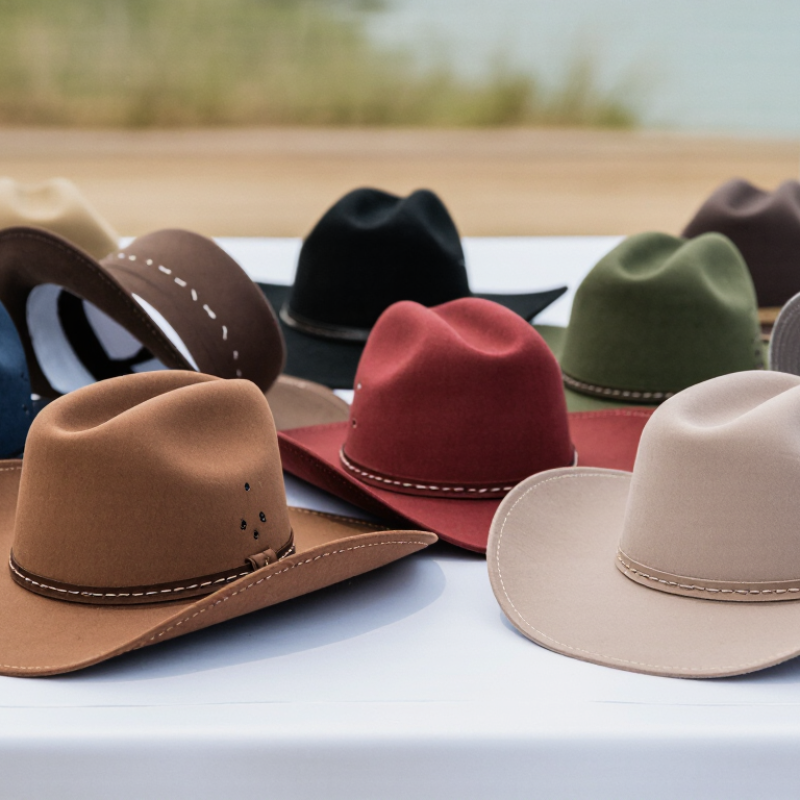
Global buyers often compare shape, material, ventilation, and logo placement before ordering cowboy caps. The classic felt style suits cooler regions and gives embroidered logos a firm surface. A straw cowboy cap feels lighter and works well for warm outdoor events. The cattleman crown offers a traditional profile with generous front space for printed marks. The pinch-front style looks sharper and supports smaller embroidered designs. The gambler crown has a wider brim and a relaxed shape for sun-conscious customers. Ventilated cowboy caps use eyelets or woven panels to improve airflow. Mesh-back caps are practical for summer promotions and casual retail collections.

Logo quality depends on more than appearance. Felt, straw, and mesh absorb decoration differently, so testing is essential. Embroidery usually performs well on felt, while heat transfer may suit smoother woven panels. Printed logos can lose clarity on heavily textured straw. Keep artwork simple, especially when the logo is under eight centimeters wide. Check thread tension, brim balance, color accuracy, and sweatband stitching before approving production. A sample may look excellent indoors but feel unstable under strong sunlight. That detail is easy to miss. Packaging also deserves attention, because crushed brims can damage the buyer’s first impression. Regional head sizes and seasonal materials should guide the final specification, although these assumptions still need real market feedback.

How to Select Materials, Sizes, and Logo Methods

For global buyers, the seven best imprinted logo cowboy caps are not simply the most decorated. Material choice controls comfort, durability, shipping risk, and perceived value. Brushed cotton suits casual retail and warm indoor events. Wool blends hold their shape better in cooler climates. Natural straw feels breathable, but moisture can weaken it. Recycled fibers may support sustainability claims, yet documentation must be checked. Ask for fiber content, colorfastness results, care instructions, and destination labeling requirements.

Measure the head where the cap will sit, usually above the ears. Offer adjustable bands when buyers serve mixed markets. Fixed sizes look cleaner, but errors create costly returns. Allow space for thick hair and seasonal liners. Samples can hide production variation. Logo placement affects both visibility and construction. Embroidery gives a raised, durable finish on cotton or wool. On straw, a stitched patch may be safer than dense thread. Heat transfer creates fine detail, but heat and washing can shorten its life. Woven labels feel refined and reduce weight.

Test curved crown placement before approving a large order. Small text often disappears. Color contrast should remain clear under indoor and outdoor light. Request pre-production photos, wash tests, size charts, and carton measurements. I once underestimated crown stiffness; the logo looked correct, but the cap felt uncomfortable. That mistake changed our sampling process. Buyers should record tolerances, inspection points, and agreed remedies in writing. A small production flaw can become a serious international return.

7 Best Imprinted Logo Cowboy Caps for Global Buyers

How to Select Materials, Sizes, and Logo Methods

Option Recommended Material Typical Structure Adult Size Range Closure Suitable Logo Methods Logo Appearance and Durability Climate Suitability Best Use
1. Cotton Twill Cowboy Cap 100% cotton twill, approximately 180–250 g/m² Structured crown with a pre-curved brim Adjustable adult fit, approximately 56–60 cm head circumference Metal buckle strap or fabric strap Embroidery Woven patch Screen print Embroidery provides a raised, durable finish; screen printing is suitable for flat artwork with limited colors. Comfortable for mild and warm conditions; cotton absorbs moisture but dries more slowly than polyester. Retail merchandise, tourism promotions, outdoor lifestyle campaigns
2. Brushed Cotton Suede-Finish Cap Brushed cotton or cotton-polyester blend with a soft suede-like surface Moderately structured crown with a shaped western brim Adjustable adult fit, approximately 56–60 cm Leather-look strap with metal buckle Leatherette patch Embroidery Debossed patch Patch methods create strong contrast and a premium appearance; debossing works best on simple logos. Best for dry, mild, and transitional weather; the brushed surface may require extra care in wet conditions. Premium promotional gifts, western-themed events, heritage collections
3. Polyester Mesh-Back Trucker Cap Polyester front panels with polyester mesh back panels High-profile structured front with a curved or flat brim Adjustable adult fit, approximately 56–60 cm Plastic snapback Embroidered patch Heat transfer Screen print Patch embroidery offers good resistance to repeated handling; heat transfer supports detailed, multicolor artwork. Highly suitable for hot climates because the mesh improves airflow; polyester dries quickly. Outdoor promotions, festivals, agricultural events, sports and leisure programs
4. Recycled Polyester Cowboy Cap Recycled polyester fabric, commonly made from post-consumer PET materials Structured crown with a reinforced western brim Adjustable adult fit, approximately 56–60 cm Recycled-plastic snapback or adjustable webbing strap Embroidery Woven label Heat transfer Supports sharp branding and consistent color reproduction; woven labels work well for fine lettering. Suitable for warm, humid, and variable climates because polyester has low moisture absorption and quick drying. Sustainability-focused campaigns, corporate merchandise, international promotional programs
5. Waxed Cotton Outdoor Cap Waxed cotton canvas, commonly around 250–350 g/m² Firm crown with a weather-resistant finish and curved brim Adjustable adult fit, approximately 56–60 cm Metal buckle strap Leatherette patch Woven patch Direct embroidery Patches provide strong visual contrast; direct embroidery is durable but may require a stable backing. Appropriate for cool, windy, and light-rain conditions; it is less breathable than uncoated cotton. Ranch-style apparel, outdoor brands, hunting and fishing promotions
6. Wool-Blend Winter Cowboy Cap Wool-polyester blend, generally heavier and warmer than cotton caps Firm structured crown with a broad western brim Fixed or adjustable adult sizes, approximately 57–61 cm Interior sweatband, elastic adjustment, or buckle strap Woven label Embroidered patch Metal badge Woven labels preserve fine details; metal badges create a durable decorative accent for simplified logos. Best for cool and cold climates; wool provides warmth but needs protection from prolonged moisture. Winter promotions, equestrian events, country festivals, cold-weather retail collections
7. Performance Sun-Protective Cap Lightweight polyester or nylon with moisture-management treatment Lightly structured crown with a wide curved brim Adjustable adult fit, approximately 56–60 cm Hook-and-loop strap or quick-adjust buckle Heat transfer Reflective print Embroidery Heat transfer suits detailed graphics; reflective printing improves visibility in low-light conditions. Designed for hot, sunny, and active environments; lightweight synthetic fibers dry quickly. Travel, construction, logistics, golf, cycling, and outdoor workwear
Selection note: For international orders, confirm the final head-measurement range, brim dimensions, fabric composition, colorfastness, care instructions, logo artwork size, and packaging requirements before production. Actual fit and performance can vary according to pattern, fabric weight, reinforcement, and finishing processes.

Ordering, Customization, and Quality Checks for Bulk Buyers

7 Best Imprinted Logo Cowboy Caps for Global Buyers

Bulk ordering starts with the cap’s purpose, not the lowest quotation. Compare seven practical options: straw, felt, canvas, cotton twill, wool blend, washable synthetic, and recycled fiber. Straw suits warm outdoor events, while felt offers a firmer shape. Ask suppliers for fabric weight, crown height, brim width, size range, and packing details. Request a physical sample before approving hundreds of pieces. A digital mockup can hide stitching problems.

Customization needs clear artwork and measurable instructions. Send vector logo files, thread colors, print dimensions, and placement diagrams. Embroidery works well on structured crowns, but small lettering may lose clarity. Screen printing can reduce cost on smooth fabric, though uneven surfaces may cause cracking. Confirm sweatband labels, lining color, closure type, and carton markings. One overlooked measurement can affect an entire shipment. That happens.

Tips: Approve a pre-production sample. Check logo alignment from three angles. Rub the imprint with a dry cloth, then inspect loose threads, stains, odor, and distorted brims. Count packed units by carton, not by visual estimate. Keep a signed specification sheet with tolerance limits for color, size, and logo position. Photograph random cartons before dispatch. Also review the inspection report yourself; a neat document is not proof of consistent quality. Allow time for corrections, because rushed approvals often create expensive rework.